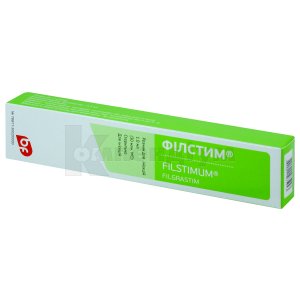
Nivestim
Analogs of Nivestim
Find cheaper analogs and generic equivalents for Nivestim.
Active Ingredient: filgrastim
Product Overview
About Nivestim
The safety of Nivestim has been evaluated, and on the basis of all the studies carried out the side effects of the medicine are considered to be comparable to those of the reference medicine Neupogen. The most common side effects with Nivestim (which may affect more than 1 in 10 people) are fever, musculoskeletal pain (pain in the muscles and bones), anaemia (low red blood cell counts), vomiting and nausea (feeling sick). Other side effects may be seen in more than 1 in 10 patients, depending on the condition that Nivestim is being used for. For the full list of side effects and restrictions with Nivestim, see the package leaflet.
How it is used
Nivestim can only be obtained with a prescription and treatment should be given in collaboration with a centre for cancer treatment. The medicine is available in pre-filled syringes and is given by injection under the skin or infusion (drip) into a vein. The way Nivestim is given, its dose and the duration of treatment depend on why it is being used, the patient’s body weight and the response to treatment. For more information about using Nivestim, see the package leaflet or contact your doctor or pharmacist.
How it works
The active substance in Nivestim, filgrastim, is very similar to a human protein called granulocyte colony stimulating factor (G CSF). Filgrastim works in the same way as naturally produced G CSF by encouraging the bone marrow to produce more white blood cells.
Active substance: filgrastim
Visitor ratings
Help others by rating how useful this product page is.
No ratings yet — be the first.